
Our Expectation of
our Clients
a session, kindly notify me with at least 24 hours notice via phone, email or text message.


Limits of Confidentiality
All conversations we have during our sessions are kept confidential, and I will not
disclose any information about you to anyone without your permission. However,
there are some limits to confidentiality.
Report Writing
Throughout the ACC-ISSC counselling process, I am required to write and submit reports to ACC to monitor your progress and assess claims. Before submitting any report, I will provide you with a copy to ensure accuracy and to address any concerns or discrepancies you may have noticed. If you identify any errors or inaccuracies in the report, please bring them to my attention so that I can make the necessary amendments.
Fee Structure
This service is fully funded by ACC, and there will be no charges incurred by you. The decision about your entitlement will be based on your preferred treatment options and any evaluations or assessments that may be required.
Sessions
Each session is scheduled for 50 minutes, and we can agree to meet either weekly or fortnightly based on your preference. If you decide to end the counselling process, you may do so at any time, but I request that we meet for at least one final session. This is necessary to ensure a proper closure to our therapeutic relationship, evaluate the progress made, and recommend alternative support or referrals if needed. The final session is also an opportunity for you to reflect on the outcomes of the counselling and provide feedback. If you require extra support outside of our scheduled sessions, I will do my best to accommodate your needs based on my availability. Please feel free to contact me during normal work hours via email or phone, and I will respond as soon as I am able. If I am unavailable, please leave a message, and I will get back to you as soon as possible. However, in the case of a crisis situation, it is important that you seek immediate help from the appropriate public crisis services, such as Lifeline (0800 543 354), Need to talk 1737 (1737), or your local Community Mental Health Team. For the Wairarapa, Hutt Valley, and Capital & Coast regions, the Community Mental Health Team is Te Haika, and they can be reached at 0800 745 477

Cancellations/Changes to Appointments
In the event that you need to cancel or reschedule your appointment, kindly provide
a notice of at least 24 hours. This would give us ample time to arrange for an
alternative time or offer the session to another client.
Complaints
As a registered counsellor with NZAC (New Zealand Association of Counsellors)
and a registered addiction practitioner with DAPAANZ (Drug and Alcohol
Practitioners’ Association Aotearoa–New Zealand), I adhere to their respective
Codes of Ethics and Complaints Procedures.
If you have any concerns or complaints, please bring them to my attention in the
first instance. I take all complaints seriously and will work with you to address any
issues.
If you feel that your concerns have not been adequately addressed, you may choose
to lodge a complaint with either or both of the professional bodies mentioned
above.
Individual Counselling
Participating in individual counselling sessions can be an incredibly
rewarding investment. You have the ability to choose what aspects of your life
you want to work on and make positive changes.



Relationships Counselling
Relationship counselling is a type of therapy that is designed to help individuals and couples improve their relationships. It is also sometimes referred to as couples therapy or marriage counselling.
The primary goal of relationship counselling is to help individuals and couples develop a better understanding of themselves and their partners, and to learn effective strategies for resolving conflicts and improving communication.
Relationship counselling can address a wide range of issues, including communication problems, conflicts over finances or parenting styles, infidelity, sexual difficulties, and differences in values or goals. It can also help couples who are struggling with issues related to addiction, mental health, or other life stressors.
Through relationship counselling, couples can gain a deeper understanding of each other& needs, build trust and intimacy, and develop more effective strategies for resolving conflicts and strengthening their relationship. It can be a valuable resource for couples who want to improve their relationship and are committed to working together to achieve their goals.

Online Sessions
Online counselling, also known as e-counselling or virtual counselling, refers to the practice of providing professional counselling services to individuals through digital communication technologies such as phone calls, video conferencing, or messaging. This allows people to receive support and guidance from licensed therapists or counsellors remotely, without the need for in-person meetings. Online counselling can be helpful for those who may not have access to traditional face-to-face counselling or prefer the convenience and anonymity of receiving therapy from the comfort of their own home.
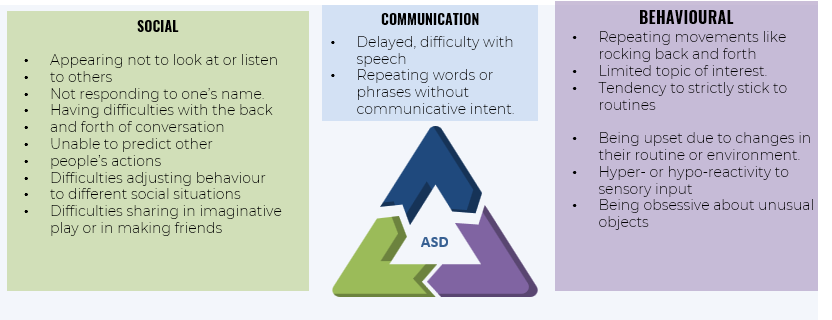
Autism
What is an autism spectrum disorder (ASD)?
Behavioural Therapy
This type of therapy focuses on modifying behaviour by using positive reinforcement and other techniques to promote positive behaviours and reduce negative behaviours.
Cognitive Behavioural Therapy
This type of therapy focuses on helping individuals to identify negative thoughts and behaviours and to replace them with positive thoughts and behaviours.
Social Skills Training
This type of therapy is designed to help individuals with autism improve their social skills and communication abilities.
Family Therapy
This type of therapy focuses on helping families to better understand and cope with the challenges of living with autism.
Play Therapy
This type of therapy uses play to help children with autism develop social skills, communication skills, and other important skills..
Autism
Counselling for people affected by autism can be a valuable resource for individuals and families who are living with this condition. By working with a trained therapist, individuals with autism and their families can learn effective strategies for managing the challenges of living with autism and can develop a stronger, more supportive family dynamic.